Start with the shape of the experience
A fragrance can feel smooth before you identify a single material. It can feel dry, rounded, sharp or almost weightless. These words describe perceived texture. They do not imply that perfume has the physical texture of cream, wood or fabric. They are a useful bridge between an unfamiliar smell and language you already understand. When a note list becomes a guessing game, texture gives you another way in.
Description and preference are separate skills
“I like it” is a preference. “It feels dry and slightly smoky” is an observation. Both matter, but they answer different questions. If you move immediately to approval or rejection, you can miss what makes a composition distinctive. Give an unfamiliar fragrance a description before a verdict. The aim is not to persuade yourself to enjoy every perfume. It is to learn precisely what you enjoy and what you do not.
A comparison makes the difference visible
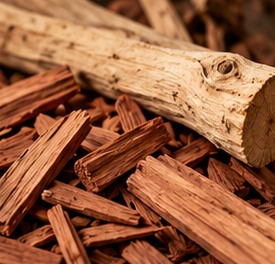
Consider a creamy sandalwood impression beside an earthy vetiver impression. Both may be called woody, yet the textures can be very different. One may seem rounded and continuous; the other may feel root-like and dry. Then compare two fragrances that both list sandalwood. If they feel different, the note name has not failed. It was simply never a complete account of the composition.
Observe movement, not just the opening
The opening can be brighter or more angular than the later fragrance. Write down an initial texture and revisit the blotter after an interval. Does the scent become smoother? Does an airy opening reveal a denser foundation? There is no need to impose a fixed clock on every perfume. Record the change you perceive rather than a change you expect from a textbook pyramid.
Build a vocabulary you can use again
Choose three texture words and keep them consistent for a few comparisons. Dry, creamy and airy are a useful beginning. Add a short explanation when a word is ambiguous: dry like pale wood, for example, rather than dry like dusty earth. A modest vocabulary used carefully is more informative than a long vocabulary used to sound expert.