Its role in a composition
Builds a floral heart, from a transparent petal effect to a dense bouquet. Rose is a family of effects rather than one universal smell. An oil, an absolute and a reconstructed rose accord have different possibilities. The extraction method belongs to the particular material; it is not a guarantee that the finished perfume smells like a fresh flower.
Origin, grade and interpretation
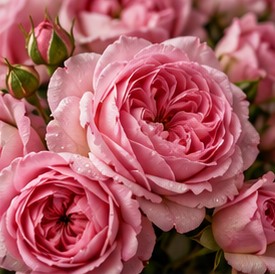
A name such as rose is a useful entry point, but the supplied perfumery material needs a more precise description. Producer documentation identifies the botanical source, extraction process, origin and grade. Those details vary between materials and batches. The image on this page is an editorial illustration, not a certificate of botanical identity or sourcing.
Rose oil and rose absolute are different materials produced by different extraction processes. Perfumers can also build rose effects from individual aroma materials. The word rose describes an olfactory idea as well as a botanical source.
Explore its relationships
Study alongside: Jasmine · patchouli · citrus accords. These are olfactory relationships to explore in finished fragrances, not instructions to combine undiluted raw materials. Similar ingredients can support different effects when their proportions and surroundings change.
Look for petal softness before deciding how sweet the composition is. Smell a rose fragrance beside a fruity floral. Try to separate petal softness from fruity sweetness and from the green impression around it.
From ingredient to fragrance
The useful question is not only whether you recognise the ingredient. Ask what it changes: does the composition feel brighter, drier, softer or more spacious? A material can be important even when you cannot name it in the finished result.
Technical context: IFF LMR Naturals Compendium · Landema extraction processes.