Its role in a composition
Contributes floral volume and a sense of radiance; context changes its character. The identity of a jasmine material depends on the botanical source, processing and grade. A perfume can evoke jasmine without reproducing every facet of a botanical extract. Evaluate the composition as a whole rather than treating the note name as a formula disclosure.
Origin, grade and interpretation
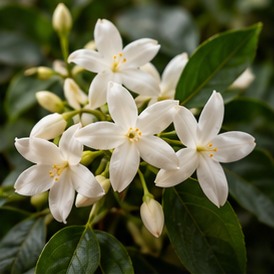
A name such as jasmine is a useful entry point, but the supplied perfumery material needs a more precise description. Producer documentation identifies the botanical source, extraction process, origin and grade. Those details vary between materials and batches. The image on this page is an editorial illustration, not a certificate of botanical identity or sourcing.
Botanical species, origin and processing influence a natural jasmine extract. A finished jasmine accord may combine natural extracts with other fragrance materials. A note list is a description of the experience, not a complete formula.
Explore its relationships
Study alongside: Rose · sandalwood · citrus accords. These are olfactory relationships to explore in finished fragrances, not instructions to combine undiluted raw materials. Similar ingredients can support different effects when their proportions and surroundings change.
Compare an airy white floral with a warmer, denser interpretation. Compare jasmine in an airy floral with jasmine in a warmer composition. Pay attention to how the surrounding materials change your impression of the same named note.
From ingredient to fragrance
The useful question is not only whether you recognise the ingredient. Ask what it changes: does the composition feel brighter, drier, softer or more spacious? A material can be important even when you cannot name it in the finished result.
Technical context: IFF LMR Naturals Compendium · Landema extraction processes.